
Dauphin, Manitoba is leading the way in sustainable urban development with its energy efficiency initiatives. The town has prioritized the use of energy-efficient resources, particularly in the construction sector. Steel buildings in Dauphin play a vital role in this eco-friendly movement, as they are durable, recyclable, and energy-saving. Additionally, the advent of net-zero homes in Dauphin showcases the town’s commitment to sustainability, as these homes produce as much renewable energy as they consume. Dauphin’s dedication to energy efficiency and sustainable construction serves as a model for other cities to follow, inspiring a greener and healthier future for all.
Embracing Energy Efficiency: Canada’s Path to Sustainable Living
In the heart of Canada’s commitment to sustainability lies a growing trend that is reshaping its housing market: energy efficiency. Across the nation, from the bustling streets of Toronto to the serene landscapes of British Columbia, Canadians are increasingly embracing energy-efficient building practices. This shift is not merely a trend but a fundamental change in how Canadians view their homes and their impact on the environment. In this comprehensive article, we delve into the essence of energy efficiency in Canada, exploring its benefits, challenges, and the future it promises for Canadian homeowners.
Understanding Energy Efficiency in Canadian Homes
Energy efficiency in Canadian homes involves adopting practices and technologies that reduce energy consumption without compromising comfort or quality of life. This includes everything from high-performance insulation and windows to energy-efficient heating systems and appliances. But why is this shift happening now? The reasons are manifold, including rising energy costs, environmental concerns, and a growing awareness of the long-term benefits of sustainable living.
The Benefits of Energy-Efficient Homes
The advantages of energy-efficient homes extend beyond mere cost savings, although that remains a significant draw. These homes offer a superior living environment – warmer in the winter, cooler in the summer, and overall more comfortable year-round. Additionally, they have a smaller environmental footprint, contributing to the global fight against climate change by reducing greenhouse gas emissions. The benefits also include increased property values, making energy efficiency a wise investment for the future.
Challenges on the Road to Energy Efficiency
Despite its advantages, the path to energy-efficient living in Canada is not without obstacles. High upfront costs can be a deterrent, though various government incentives and rebates are available to help alleviate these initial expenses. There’s also the challenge of awareness and education; not every homeowner understands the benefits or knows where to start. Overcoming these hurdles requires concerted efforts from governments, industry stakeholders, and communities.
Innovations and Trends in Canadian Energy Efficiency
Canada’s energy efficiency landscape is continually evolving, thanks to technological advancements and innovative building practices. From net-zero homes that produce as much energy as they consume to smart homes equipped with energy-saving features, Canadians are at the forefront of sustainable living. Moreover, trends like passive housing, which focuses on ultra-low energy buildings, are gaining traction, highlighting a future where energy efficiency is the norm, not the exception.
Provincial Spotlight: Energy Efficiency Across Canada
Each province in Canada has its unique approach to energy efficiency, tailored to its climate, resources, and needs. In British Columbia, strict building codes emphasize high-efficiency standards, while in Ontario, various rebate programs encourage homeowners to upgrade to energy-efficient appliances and systems. The diversity of approaches offers a rich tapestry of solutions and exemplifies the country’s commitment to energy efficiency.
The Role of Government and Industry
The Canadian government, both at the federal and provincial levels, plays a crucial role in promoting energy efficiency. Through legislation, incentives, and educational programs, governmental bodies are pivotal in steering the country towards a more sustainable future. Similarly, the construction and energy industries are integral, driving innovation and providing the tools and technologies necessary for energy-efficient living.
Future Prospects: What Lies Ahead for Canadian Homeowners
The future of energy efficiency in Canada is bright, with continued growth and innovation on the horizon. As more Canadians adopt energy-efficient practices, the national housing market is set to evolve, prioritizing sustainability and efficiency. This shift not only aligns with global environmental goals but also promises a healthier, more cost-effective living environment for future generations.
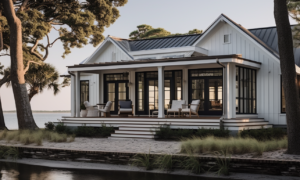
Energy efficiency is more than a buzzword in Canada; it’s a movement towards a sustainable, cost-effective, and environmentally friendly future. While challenges remain, the collective efforts of homeowners, governments, and industries are paving the way for a greener, more efficient Canadian housing market. By embracing energy efficiency, Canadians are not just saving on their energy bills; they are contributing to a global cause and ensuring a better world for future generations.
Selkirk’s Sustainable Practices: Energy Efficiency in Everyday Life
Selkirk, located in Manitoba, is paving the way for energy efficiency and sustainability. From their use of steel buildings that exemplify energy efficiency to their commitment to daily operations that promote water conservation and waste reduction, Selkirk sets an example for all. One of their key pillars is the concept of Net Zero Homes, which aim to produce as much energy as they consume. While not everyone can live or work in these types of buildings, we can all learn from Selkirk’s practices and strive to reduce our own carbon footprint. Let’s follow in Selkirk’s footsteps and embrace energy efficiency for a more sustainable future.
Winkler’s Way Forward: Energy Efficiency as a Community Goal
Introducing the Winkler Way Forward, a community-driven initiative in Manitoba that emphasizes energy efficiency as a shared goal. By embracing sustainable practices, Winkler is not only combating climate change but also reaping economic benefits and reducing environmental impact. One key aspect of their journey is the adoption of steel buildings, known for their durability and energy efficiency. Additionally, residents are moving towards Net Zero Homes, which generate as much energy as they consume. The success of the Winkler Way Forward lies in community engagement and fostering a culture of energy efficiency. Now, the question is, will other communities follow suit and make energy efficiency their shared goal? The time to act is now!

Brampton’s Building Better: Energy Efficiency in New Developments
Welcome to the age of green construction in Brampton! The city is leading the way in incorporating environmentally friendly practices, particularly in the realm of steel buildings. Energy efficiency is at the forefront of these developments, with the goal of reducing carbon footprints and lowering energy costs. Steel buildings in Brampton have numerous benefits, including insulation advantages, durability, and recyclability. The city’s initiative, “Brampton Building Better,” is shaping the future of development by advocating for sustainable construction methods. In addition to steel buildings, there is a growing trend towards Net Zero Homes, which produce as much energy as they consume. Technology also plays a significant role in making homes energy-efficient. It is crucial for us to move towards a more sustainable future for the sake of our planet and future generations.

Mississauga’s Mission for Energy Efficiency: A Roadmap to Greener Living
Are you interested in living a greener, more environmentally friendly lifestyle? Mississauga is leading the way with their Mission for Energy Efficiency, aiming to minimize environmental harm and reduce greenhouse gas emissions. One key aspect of this mission is the use of steel buildings, which are not only durable and long-lasting but also highly energy efficient. Mississauga is also at the forefront of developing Net Zero Homes, which produce as much renewable energy as they consume. By embracing these sustainable practices, Mississauga is paving the way towards a more sustainable future and inviting us all to join in the mission for energy efficiency.

Thunder Bay’s Thrive on Energy Efficiency: Initiatives for a Greener Community
Thunder Bay is gaining recognition for its energy efficiency initiatives that go beyond just saving the environment. These green initiatives are making a tangible difference for residents, reducing the carbon footprint, creating jobs, and boosting the economy. The city is embracing the green revolution with a focus on energy-efficient materials and practices, such as steel buildings that provide high-grade insulation for reduced energy use. Additionally, the rise of Net Zero Homes showcases Thunder Bay’s commitment to sustainable living and lower energy costs. By prioritizing energy efficiency, Thunder Bay is fostering a thriving community and setting a remarkable legacy for future generations.

Leduc’s Green Building Standards: Pioneering Energy Efficiency
Leduc, a dynamic city located in the heart of Alberta, Canada, is...

Fort McMurray’s Journey to Energy Efficiency: Building a Sustainable Future
Over the recent years, Fort McMurray has been on an incredible...

Sherwood Park’s Energy Efficiency Revolution: Creating Sustainable Homes
Sherwood Park's Energy Efficiency Revolution: A Leap Towards...

Spruce Grove’s Sustainable Development: Integrating Energy Efficiency
Spruce Up with Efficiency: Spruce Grove’s Sustainable Development...

Airdrie’s Blueprint for Energy Efficiency: Reducing Carbon Footprints
Airdrie, a city located north of Calgary in Alberta, Canada, is...

Grande Prairie’s Shift to Greener Homes: Energy Efficiency in Action
Grande Prairie turns a New Leaf: Embracing Energy Efficiency in...
We’re Here Whenever You Need Us
Phone
(255) 352-6258
Open Hours
Mon – Wed: 10AM – 07PM
Thu – Sat: 08AM – 06PM
Address
1234 Divi St. #1000 San Francisco, CA 94220.